
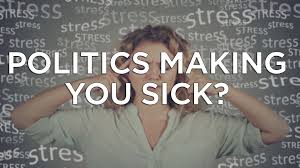
Many adults are experiencing a unique kind of stress right now—one that comes from watching events unfold that feel unjust, destabilizing, or deeply out of step with core values like fairness, dignity, and the rule of law. If you’re feeling angry, anxious, exhausted, or even numb, you’re not alone. These reactions are human responses to prolonged uncertainty and perceived moral threat. While we may not control the broader system, we can protect our mental and emotional health.
Below are practical, nonpartisan strategies to help you stay grounded, resilient, and psychologically intact during politically stressful times.
1. Name What You’re Feeling—Without Judging It
Strong emotions don’t mean you’re weak or “too political.” They mean you care. Suppressing anger, grief, or fear often intensifies distress over time. Instead:
- Label emotions plainly: “I feel angry,” “I feel afraid,” “I feel helpless.”
- Notice where stress shows up in your body (tight jaw, shallow breathing, headaches).
- Allow feelings without immediately acting on them.
Emotional awareness is the first step toward emotional regulation.
2. Set Clear Boundaries Around Information Intake
Constant exposure to upsetting news keeps the nervous system in a chronic threat state. Staying informed does not require staying flooded.
- Choose specific times to check news (e.g., once in the morning, once in the evening).
- Avoid doom-scrolling before bed.
- Curate sources carefully; depth is often healthier than volume.
Think of news consumption like nutrition: enough to stay healthy, not so much that it makes you sick.
3. Focus on What You Can Control
Political stress often comes from powerlessness. Regaining a sense of agency—even in small ways—can be stabilizing.
- Keep routines consistent (sleep, meals, movement).
- Take care of your immediate environment: order, cleanliness, and beauty matter.
- Channel energy into values-aligned actions that are realistic and sustainable for you.
Control over daily life builds psychological ballast when the larger world feels chaotic.
4. Stay Connected—But Choose Conversations Wisely
Isolation amplifies distress, yet not every conversation is nourishing.
- Seek out people who can tolerate nuance and emotion, not just debate.
- Set limits with those who escalate conflict or dismiss your concerns.
- Remember: connection doesn’t require agreement, but it does require respect.
Feeling understood is a powerful antidote to despair.
5. Regulate the Nervous System, Not Just the Thoughts
Political stress is as much physiological as it is cognitive.
- Practice slow breathing (longer exhales calm the stress response).
- Engage in regular physical movement.
- Spend time outdoors or with sensory grounding (music, warmth, texture).
When the body settles, the mind often follows.
6. Make Room for Meaning and Rest
Caring deeply can be exhausting. Burnout helps no one.
- You are allowed to rest without disengaging from your values.
- Engage in activities that remind you of goodness, creativity, humor, and love.
- Hold a long view: meaningful change has always required endurance.
Hope is not denial—it’s a renewable resource that needs tending.
Final Thought
Living through times that feel lawless or unjust can shake one’s sense of safety and moral order. Managing political stress isn’t about indifference or complacency—it’s about preserving your mental health so you can live, care, and respond with clarity rather than collapse. You matter, and your well-being is worth protecting.
If stress begins to interfere with sleep, relationships, or daily functioning, consider reaching out to one of the mental health professionals at the Anxiety & Stress Center in Orland Park or Homewood. Taking care of yourself is not a luxury in difficult times—it’s a necessity.
Submitted by Holly Houston, Ph.D. Licensed Clinical Psychologist