
Holiday stress can have a significant impact on mental health, increasing symptoms of anxiety, depression, emotional exhaustion, and burnout. While the holidays are often portrayed as a joyful and connected time, many individuals and families experience heightened stress related to finances, family dynamics, disrupted routines, and unrealistic expectations. For people seeking mental health support in Homewood, IL, Orland Park, IL, and surrounding communities, these seasonal pressures can feel especially overwhelming. Understanding how holiday stress affects mental health can help you recognize early signs of distress and take practical steps to protect your emotional well-being during the holiday season.
What Is Holiday Stress?
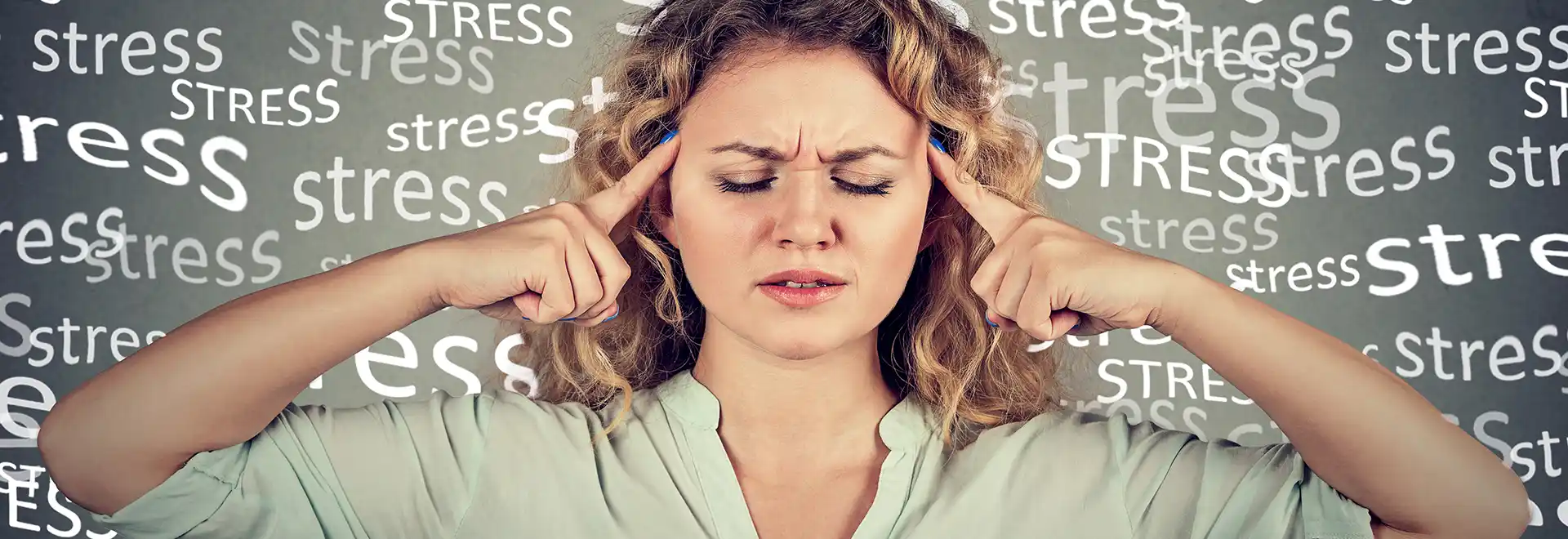
Holiday stress refers to the emotional and physical strain that can arise from seasonal demands. These may include financial pressures, family dynamics, social obligations, travel, disrupted routines, or the expectation to feel happy and grateful. For individuals already managing anxiety, depression, trauma, or burnout, these stressors can amplify existing symptoms. Even those who generally feel emotionally well may notice changes in mood or energy during this time of year.
Common Mental Health Effects of Holiday Stress
Holiday stress can show up in many ways, and it doesn’t look the same for everyone. Some of the most common mental health impacts include:
Increased anxiety. Packed schedules, financial worries, or fear of family conflict can heighten feelings of nervousness or restlessness. You may notice racing thoughts, difficulty relaxing, or trouble sleeping.
Low mood or depression. Shorter days, reduced sunlight, grief over losses, or loneliness can contribute to feelings of sadness or emptiness. For some, the contrast between personal experience and the “ideal” holiday image can intensify feelings of isolation or inadequacy.
Emotional exhaustion. The pressure to show up socially, be productive, or meet others’ expectations can be draining. Emotional fatigue may lead to irritability, numbness, or a desire to withdraw.
Grief and loss. The holidays often highlight the absence of loved ones or the loss of relationships, traditions, or a sense of stability. Grief can resurface even years after a loss and may feel more intense during this season.
Burnout and overwhelm. Juggling work, caregiving, celebrations, and responsibilities without adequate rest can push the nervous system into a prolonged state of stress.
Why the Holidays Can Be Especially Triggering
Several factors make the holiday season uniquely challenging for mental health:
-
Disrupted routines: Changes in sleep, diet, exercise, and work schedules can affect mood regulation and emotional balance.
-
Social comparison: Media and cultural messaging often promote unrealistic standards of happiness, productivity, and togetherness.
-
Boundary challenges: Family gatherings may bring up unresolved conflicts or expectations that are difficult to navigate.
-
Financial strain: Gift-giving, travel, and hosting costs can create significant stress, especially during times of economic uncertainty.
Recognizing these influences can help normalize your experience and reduce self-judgment.
Practical Ways to Protect Your Mental Health During the Holidays
While holiday stress may not be entirely avoidable, there are meaningful steps you can take to reduce its impact and support your mental well-being.
Set realistic expectations. It’s okay if this season doesn’t look or feel perfect. Decide what truly matters to you and give yourself permission to let go of the rest.
Create boundaries that support you. You are allowed to say no to events, conversations, or obligations that feel overwhelming. Boundaries are not about shutting people out—they’re about protecting your emotional capacity.
Maintain supportive routines. Even small anchors, such as consistent sleep, gentle movement, or quiet moments during the day, can help regulate stress and build resilience.
Practice self-compassion. Notice your inner dialogue. If you’re being critical or demanding of yourself, try responding with the same kindness and understanding you would offer a close friend.
Stay connected in meaningful ways. Connection doesn’t have to mean large gatherings. One-on-one conversations, virtual check-ins, or time with trusted people can provide genuine emotional support.
Limit unhelpful coping behaviors. Alcohol, excessive spending, or overworking may temporarily numb stress but often worsen anxiety or low mood over time. Aim for awareness and balance rather than perfection.
Make space for emotions. It’s okay to feel sad, angry, disappointed, or conflicted during the holidays. Allowing emotions to exist without judgment often reduces their intensity and helps them pass more naturally.
When to Seek Additional Support
If holiday stress begins to interfere with daily functioning, relationships, or your overall sense of well-being, seeking professional support may be helpful. Therapy can provide a safe space to process emotions, develop effective coping strategies, and navigate complex family or personal dynamics. You don’t need to wait until things feel unmanageable—support can be both preventative and healing.
A Gentle Reminder
The holidays are just a season, not a measure of your worth or emotional health. Experiencing stress, sadness, or mixed emotions during this time is a human response, not a personal failure. By understanding how holiday stress affects mental health and taking intentional steps to care for yourself, you can move through the season with greater balance, clarity, and self-compassion.
If you’re finding this time of year especially challenging, you don’t have to navigate it alone. Support is available, and reaching out can be a powerful act of care for yourself or a loved one. Contact the Anxiety & Stress Center in Homewood, IL or Orland Park, IL for compassionate therapeutic support and guidance.